
The Spark of an Idea
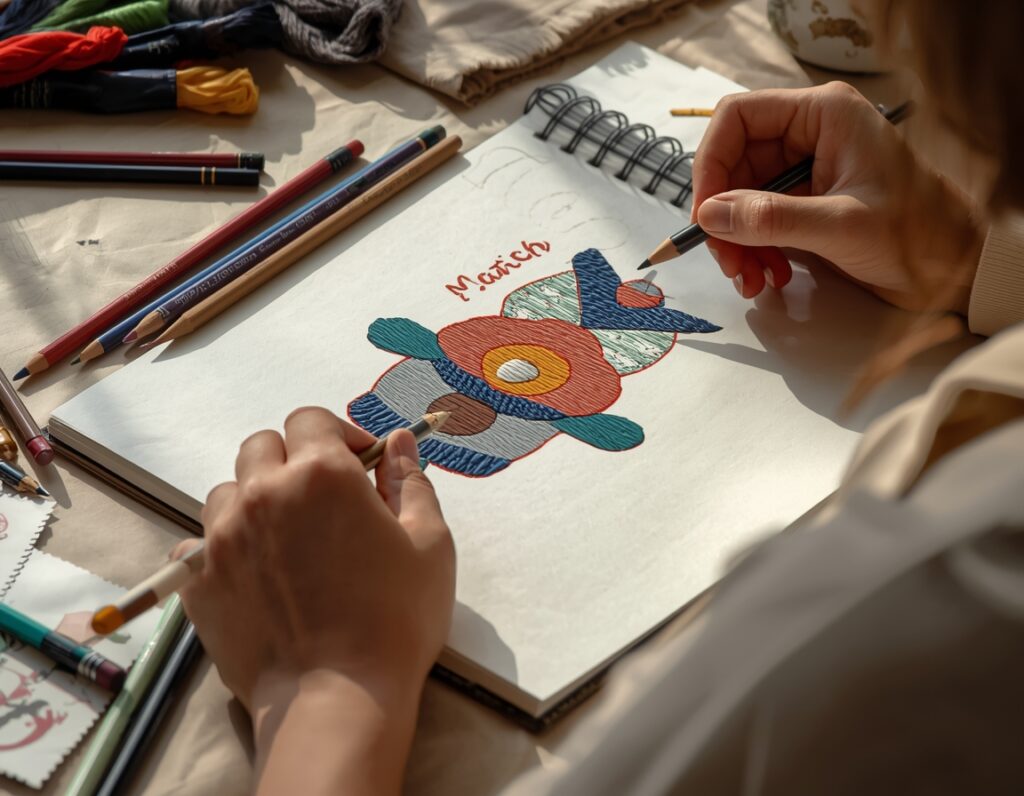
Any great custom embroidery patch begins with a plain dream in your mind. You may desire to advertise a local club or customize your favourite jacket. This is the first notion, and it forms the basis of what happens afterwards in the process. You do not need to be a professional artist to go through this creative process. The smallest sketch on a piece of paper can be sufficient to begin with. Get to the point, or the picture you want your patch to convey to others.
Thread and Fabric designing
Embroidery involves the use of physical threads; the bold lines and the clarity of shapes should be the goal to guarantee the integrity of the best outcomes. Bold colours make your design visible from a long distance and make it look professional. Imagine how the colours will play together when they are sewn tightly onto fabric. A simple design can be the most effective when reduced in size.
Selecting the appropriate Materials
Base fabric and thread selection are major quality factors dependent on your patch. A majority of creators have good and heavy Embroidery Patch Making because it offers a durable, long-lasting surface. Polyester threads are quite common since they do not fade or wear out. The secret of the Best Quality Custom Patches lies in the investment in high-quality materials.
The Art of Digital Digitizing
The next step is turning your digital art into embroidery machine movements, which is digitizing. To create depth and texture, you have to choose which direction the stitches should go. The types of stitches, such as satin or fill, may transform the whole appearance of your patch. After having prepared your file, you have the need to prepare the machine for actual production. It includes loading the machine with the colours you selected during the design process.
Choosing the Best Border Style
The border of your patch reveals its final shape and keeps the fabric in place. This is done by wrapping thread over the edge to provide a durable, thick finish. A heat-cut border is preferable to complicated shapes with sharp angles or complex points. The border serves as a shield for the delicate embroidery within it. The high-speed needle deposits the thread onto the digital map you created. You will see the lines sketching out, then the solid masses of colourful colour.
Adding the Final Backing
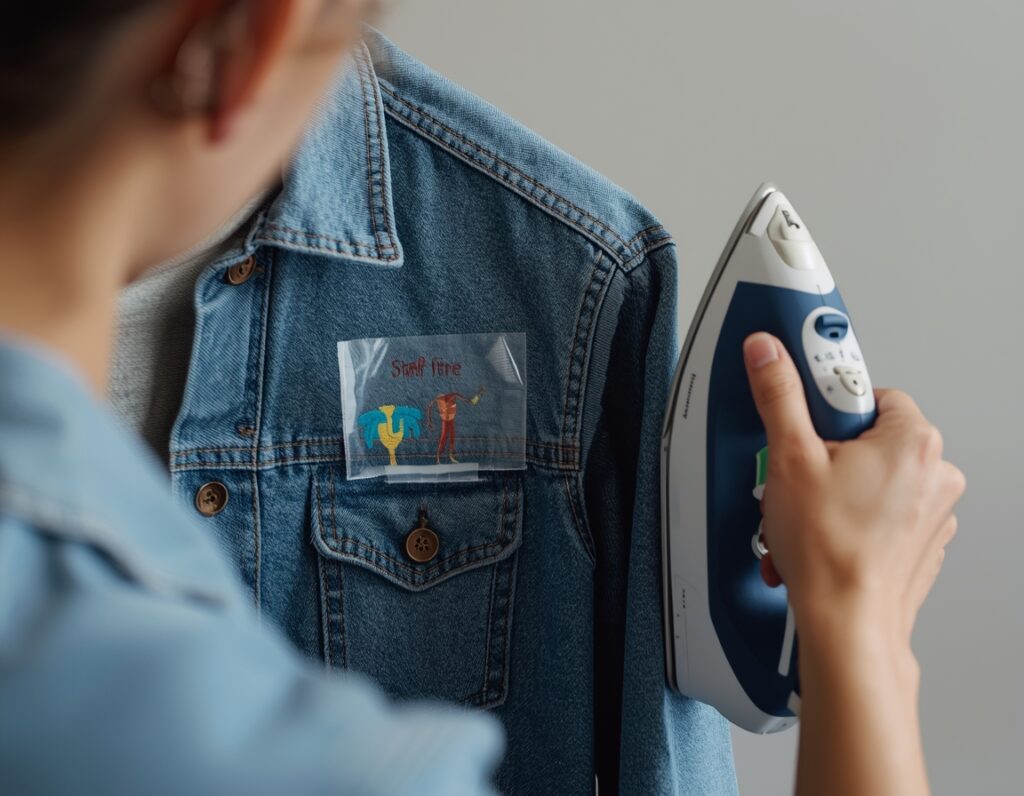
You have to decide how you want to apply your new patch to your clothes. The reason why iron-on backings are very popular is that anyone can use them with a lot of ease. All you do is apply heat with a regular iron to attach the patch to the cloth. Hook-and-loop backing suits uniforms in which patches need replacement.
Quality Control and Finishing
Once the machine is over, you should then examine every inch of the patch to perfection. Trim a scissor with small scissors to remove any jump thread that may be sticking out. Make sure the colour matches what you initially saw and that the stitching is tight. Another step is to press the patch between heat to enable it to lie flat and appear crisp. It is this attention to detail that distinguishes the average items from custom embroidery patches.
Why Custom Patches Build Belonging
You can sew it onto a backpack, a hat, or a framed display. Custom embroidery Patches are an excellent way to foster a sense of community among group members. They are miniature wearable art objects with distinct personal stories. You need to be proud of having brought an idea from a thought to a physical item.
FAQs
What is the time taken to manufacture a patch?
The sewing time would normally be 10 to 30 minutes, depending on the detail.
Can I use any image for a patch?
Simple images with bold lines are best, as there are limitations to the thickness of the thread.
What should the background be made of?
The standard is polyester twill, as it is durable and appears highly professional.
What is the number of colours that I can apply in a design?
The majority of designs are most attractive when using six colours or fewer to make the appearance clean.
Is it possible to wash clothes with patches?
No, you cannot wash them, but having the garment inside out saves the thread.
Want to see more custom embroidery patch ideas and updates? Visit our Facebook page to explore designs, inspiration, and the latest creations.